 Dr. Telly Kamelia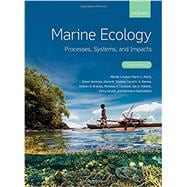
If you only need the buying answer, the 180-day digital option is the cheapest route, with quarter rental next. The paperback only becomes the better decision when you expect this ecology text to stay useful beyond one course, because short-term access is clearly cheaper in the current snapshot.
| Format | Seller | Current Price | Link |
|---|---|---|---|
| Digital 180 Days | eCampus | $34.99 | Check price |
| Quarter Rental | eCampus | $43.29 | Check price |
| Paperback | Merybook | $70.89 | Check price |
| Paperback New | eCampus | $87.37 | Check price |
The current paperback is a fair ownership price relative to new print retail, but it is not the cheapest way to get through the course. Digital and rental both undercut it by a wide enough margin that the financial question turns on expected reuse. If you just need temporary access, temporary formats win clearly. If this book will remain part of later marine science or environmental study, print becomes easier to defend.
What this book actually teaches
Marine Ecology: Processes, Systems, and Impacts is a systems-oriented ecology text, which means students are working through relationships between organisms, environments, biogeochemical processes, ecosystem structure, and human impacts rather than just memorizing isolated species facts. Books like this often become more useful after the course because readers need to reconnect large conceptual systems that were first learned in fragments.
That broader conceptual value is the only real reason to pay more for print here. A marine ecology text can stay relevant if you are moving into marine biology, conservation, environmental science, or ecological analysis. But if this is a single required course and you are unlikely to reopen the book, short-term access is the more disciplined buying decision.
Who should buy print and who should not
Choose digital or rental if this is a one-course need and cost control matters most. Choose print if you expect later ecology or marine-science reuse and prefer learning from a physical text with diagrams, process summaries, and chapter cross-reference you can return to over time. In this snapshot, print is defensible, but it is not the low-cost route.