 Dr. Telly Kamelia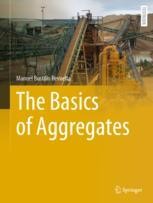
If you only need the buying answer: the 180-day eTextbook is the cheaper short-term route in this snapshot, but the current hardcover is not far behind and sits well below the sampled lifetime digital price. That means this is a genuine time-horizon decision rather than a simple “print is too expensive” case.
Current price comparison
| Format | Source | Price | Link |
|---|---|---|---|
| Hardcover | Merybook | $79.09 | Check price |
| eTextbook (180 days) | VitalSource | $70.85 | Check price |
| eTextbook (Lifetime access) | VitalSource | $109.00 | Check price |
What this book actually teaches
The Basics of Aggregates is a technical introduction to the geology, production, testing, applications, and sustainability context of aggregates in construction and engineering. The book matters because it helps readers connect material properties, extraction and processing, standards, and practical use rather than treating aggregates as a narrow commodity topic.
This gives it a longer life than a short module might suggest. Readers in engineering geology, construction materials, mining, and civil engineering often come back to a book like this when material-performance questions resurface in later courses or in practice-oriented work.
When the hardcover is still worth buying
The honest market read is that short-term digital access is cheaper. If you need the book for one bounded learning window, the 180-day eTextbook is the low-cost route. But the hardcover is close enough in price to stay reasonable, and it is markedly cheaper than lifetime digital access. That makes ownership defensible when you expect to revisit the subject later.
I would lean toward the eTextbook for a very short-term need. I would lean toward the hardcover for readers who expect aggregate testing, material properties, or construction-resource questions to come back after the current course ends.