 Dr. Telly Kamelia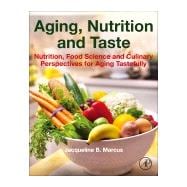
If you only need the buying answer, the current paperback is the strongest verified route in the current snapshot. It comes in below rental, far below the eText, and far below the other new-print comparator, which makes ownership straightforward for the right reader even though this is a niche interdisciplinary book.
| Format | Seller | Current Price | Link |
|---|---|---|---|
| Paperback New | Merybook | $89.95 | Check price |
| Quarter Rental | eCampus | $101.25 | Check price |
| Paperback New | eCampus | $149.85 | Check price |
| eTextbook | VitalSource | $150.00 | Check price |
The pricing story is easy. The current paperback undercuts every verified alternative. The harder part is fit. This is not a broad textbook for everyone studying nutrition. It is a specialist interdisciplinary reference. The strongest ownership case belongs to readers who really expect to keep working at the intersection of aging, sensory change, food, and quality of life.
What this book actually teaches
Aging, Nutrition and Taste is valuable because it connects nutrition, sensory change, food science, and the lived experience of eating in later life. That combination matters because nutrition in older adults is not only about nutrient intake. It is also about appetite, taste, enjoyment, adaptation, and the practical realities that shape food-related well-being. A good book in this area helps readers think across those boundaries rather than treating them as separate topics.
That makes the book durable for the right kind of reader, but not universally necessary. If your study or work really sits at this intersection, the current paperback is easy to justify. If your need is only narrow or temporary, even a strong print price may still be more book than you need.
Who should buy print and who should not
Buy print if you expect ongoing work or study in aging, nutrition, sensory change, or applied food-quality questions. Skip ownership if this is only a brief or peripheral interest. In this market, the price is strong; the real question is how central the subject is to your path.