 Dr. Telly Kamelia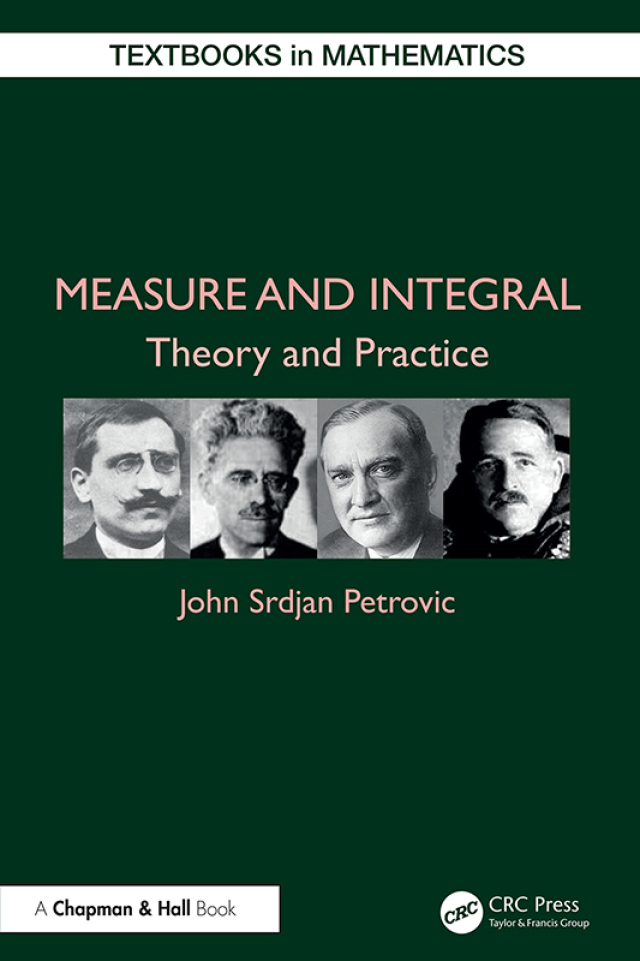
If you only need the buying answer: the 180-day eTextbook is the cheaper clean route in this snapshot, but the current hardcover is only modestly higher and still below the sampled new-print comparators. So this is not a case where print is wildly overpriced. It is a real choice between cheaper short-term access and a book you may want to keep if measure theory will stay with you beyond one course.
Current price comparison
| Format | Source | Price | Link |
|---|---|---|---|
| Hardcover | Merybook | $87.84 | Check price |
| eTextbook (180 days) | VitalSource | $66.00 | Check price |
| Hardcover | Walmart | $90.00 | Check price |
What this book actually teaches
Measure and Integral: Theory and Practice is an advanced analysis text about measure spaces, measurable functions, integration, convergence, and the bridge from formal theory to mathematical use. The value of the book is not just in presenting definitions and theorems. It matters because measure theory is one of those subjects students often need to revisit when later courses in probability, functional analysis, PDEs, or graduate analysis start relying on ideas they no longer remember as fluently as they thought.
That makes the ownership question more nuanced than it first looks. Some students only need to survive one course. Others know the subject will return in qualifying prep, graduate reading, or later mathematical work. The second group is usually deciding about a reference, not just a temporary class text.
When the hardcover is still worth buying
The honest price read is that short-term digital access is cheaper. If you need the book only for one bounded course window, the eTextbook is the value route. But the hardcover is close enough in price that ownership becomes defensible if you expect to return to proofs, exercises, and definitions after the access clock on a digital copy has run out.
I would lean toward the eTextbook for a short, one-course need. I would lean toward the hardcover for upper-level undergraduates, graduate students, and instructors who know measure theory will remain part of their mathematical toolkit beyond the current term.