 Dr. Telly Kamelia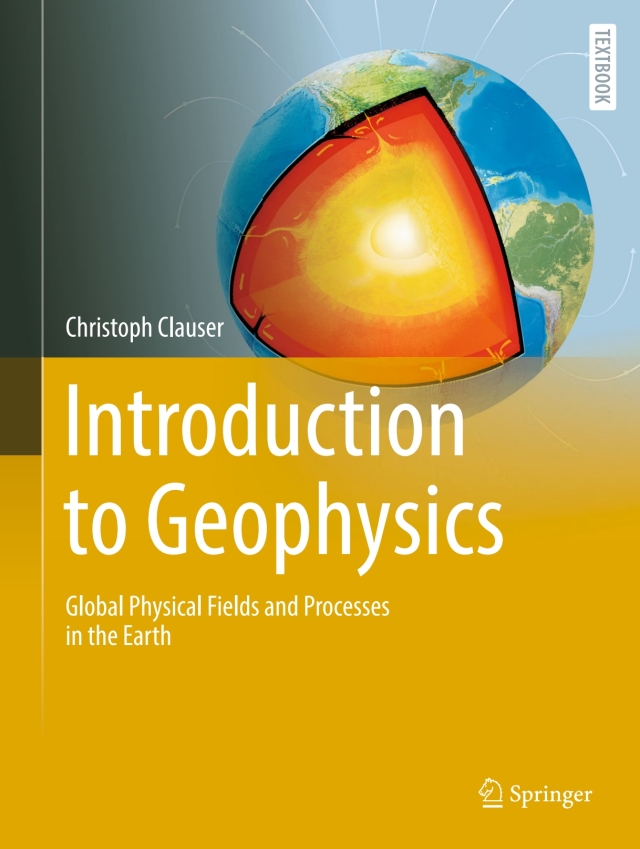
If you only need the buying answer: the current hardcover listing is the strongest clean route in this snapshot. It comes in below the sampled 180-day eTextbook and below both sampled used and new hardcover comparators. For an upper-level geophysics text that can stay useful beyond one class, that makes ownership the easier call.
Current price comparison
| Format | Source | Price | Link |
|---|---|---|---|
| Hardcover | Merybook | $65.98 | Check price |
| eTextbook (180 days) | VitalSource | $71.50 | Check price |
| Used hardcover | AbeBooks | $84.95 | Check price |
| New hardcover | AbeBooks | $100.01 | Check price |
What this book actually teaches
Introduction to Geophysics is an earth-science text about the physical principles, measurement methods, and interpretive logic used to understand the Earth’s interior and large-scale structure. Its value is not just in presenting formulas. It matters because it helps students connect mathematics, physics, and observational data to real geophysical problems rather than learning methods in isolation.
That gives the book more life than a one-term assignment. Students often return to geophysical concepts later in exploration, tectonics, seismology, geodesy, or graduate work, and a solid introductory text becomes useful again when the details start to blur.
Why the hardcover makes sense here
Here the keepable copy is also the cheapest clean option sampled. That changes the usual tradeoff. There is no financial premium being charged for ownership relative to the short-term digital alternative, and the hardcover still undercuts the sampled used and new print routes.
I would lean toward the hardcover for geophysics students, earth-science majors, and instructors who expect the book to stay useful across more than one class. The only reason to avoid ownership would be a very narrow short-term need with dependable library access already available.