 Dr. Telly Kamelia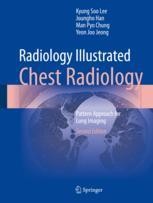
- Cheapest short-term route: The observed 30-day digital access at $68.04 is the lowest-cost option in this snapshot.
- Ownership logic: The sampled print copy at $113.99 is nearly the same as the observed 90-day digital access at $113.40 and cheaper than the observed 180-day digital access at $147.42.
- Decision hinge: If you only need a short, focused review window, the 30-day digital route is the value play. If you expect to keep returning to the pattern approach for chest imaging, print makes more sense.
- Price snapshot date: April 9, 2026.
Radiology Illustrated: Chest Radiology is the sort of imaging book that often becomes more useful after the first exposure, not less. Pattern recognition develops through repeated return to examples, distinctions, and visual framing logic. That is why the price decision here depends heavily on time horizon. A short review window clearly favors digital. A longer learning horizon changes the math.
Price comparison
| Store | Format | Condition | Price | Link |
|---|---|---|---|---|
| Merybook | New | $113.99 | Check listing | |
| eCampus | Digital | 30-day access | $68.04 | Search eTextbook |
| eCampus | Digital | 90-day access | $113.40 | Search 90-day access |
| eCampus | Digital | 180-day access | $147.42 | Search 180-day access |
What the current pricing means
This is a time-horizon decision more than a format decision. If you need only a short chest-imaging review period, the 30-day digital option is clearly the value winner. But once access needs stretch beyond that, print becomes much more competitive. The sampled print price is almost the same as 90-day access and clearly better than 180-day access.
That matters because imaging books built around pattern approaches tend to reward repeated reuse. A short-term reader can reasonably choose digital. A reader who expects to revisit lung imaging patterns after the initial block may get better value from print.
What this book actually teaches
Springer describes the book as guiding reliable chest CT diagnoses by explaining disease patterns for different abnormalities encountered. That is a very specific educational promise: not simply chest radiology content, but a pattern approach for lung imaging. A strong text in this category helps readers move from isolated findings toward structured interpretation.
That is what gives the book its real value. Pattern-based imaging texts are useful because they teach the reader how to organize what they see, not just what terms to memorize. For radiology trainees and clinicians, that kind of visual and diagnostic framework often remains useful well after the first rotation or exam window.
Who should own it, and who should stay short-term
The strongest ownership case belongs to radiology trainees and clinicians who expect to keep returning to chest CT pattern interpretation beyond a brief review window. For those readers, paying almost the same as 90-day access for a durable print copy is a defensible choice.
The weaker ownership case belongs to someone who only needs a short burst of concentrated review. For that reader, the 30-day digital route is the most economical answer. The key distinction is whether the pattern framework is likely to remain part of your working toolkit.