 Dr. Telly Kamelia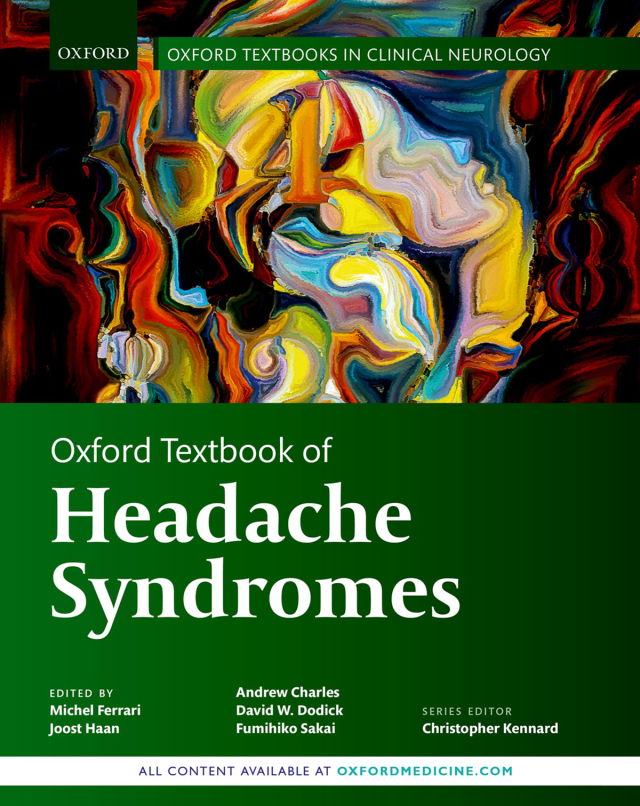
If you only need the buying answer: the current hardcover listing is the strongest clean route in this snapshot. It comes in below the sampled 180-day eText price from VitalSource and below the sampled used and new hardcover comparators, so this is one of those specialist Oxford references where ownership makes more sense than temporary access.
Current price comparison
| Format | Source | Price | Link |
|---|---|---|---|
| Hardcover | Merybook | $90.92 | Check price |
| eTextbook (180 days) | VitalSource | $126.99 | Check price |
| Used hardcover | Walmart Books | $120.78 | Check price |
| New hardcover | eCampus | $207.78 | Check price |
What this book actually teaches
Oxford Textbook of Headache Syndromes is not a general neurology primer. It is a specialist clinical reference built around the diagnosis, classification, pathophysiology, and management of headache disorders, including migraine, trigeminal autonomic cephalalgias, secondary headache syndromes, and difficult diagnostic overlaps that matter in real practice. The book is valuable because it helps the reader think carefully about differentiation, red flags, and therapeutic strategy rather than just memorize lists of syndromes.
That makes it the kind of title people return to. If you are in headache medicine, neurology, pain medicine, or advanced training where complex headache cases keep reappearing, this is a reference shelf book much more than a one-semester textbook. The educational value is in repeated consultation.
When the hardcover is worth keeping
In this snapshot, the hardcover is not just a format preference. It is also the lowest clean price among the major options sampled. That matters because short-term digital access is usually attractive only when it saves meaningful money. Here it does not. When the keepable print copy is cheaper than temporary digital access, the ownership case becomes much easier.
I would treat the hardcover as the stronger option for clinicians, fellows, and specialist readers who expect to revisit classification criteria, uncommon syndromes, and treatment reasoning over time. The main reason to skip ownership would be if you only need a very brief consultation window and already have institutional access elsewhere.