 Dr. Telly Kamelia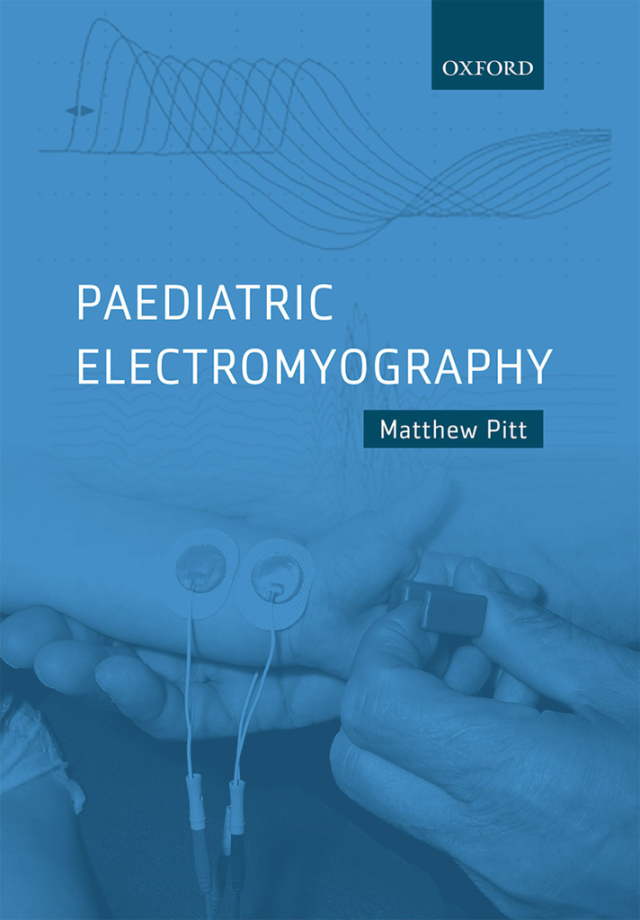
If you only need the buying answer: the 180-day eTextbook is still the lowest short-term route, but the current hardcover listing is strong enough to take seriously. It is priced below the sampled rental and well below the sampled new hardcover comparator, so the decision here depends less on headline savings and more on whether you need a reusable clinical reference.
Current price comparison
| Format | Source | Price | Link |
|---|---|---|---|
| Hardcover | Merybook | $119.38 | Check price |
| eTextbook (180 days) | VitalSource | $83.99 | Check price |
| Quarter rental | Knetbooks | $124.15 | Check price |
| New hardcover | Knetbooks | $174.94 | Check price |
What this book actually teaches
Paediatric Electromyography is a specialist clinical text for readers who need to understand how electrodiagnostic studies work in infants, children, and adolescents, where both technical execution and interpretation differ from adult practice. The core educational value is not just in protocol descriptions, but in helping the reader think through age-sensitive norms, localization, waveform interpretation, and the clinical logic behind neuromuscular evaluation in children.
This is the kind of book that pays off through repeated return, especially if you are in pediatric neurology, clinical neurophysiology, neuromuscular medicine, or advanced training that involves difficult cases rather than one exam window. Books like this are usually more useful as references than as once-through reads.
When the hardcover makes more sense than short-term access
If your goal is the cheapest possible short-term access, the eTextbook still wins. That is the honest answer. But the pricing spread is not so large that digital automatically becomes the better decision. The hardcover is already cheaper than the sampled rental and much cheaper than the sampled new hardcover comparator, which means ownership is not being heavily penalized here.
I would lean toward the hardcover if you expect to revisit pediatric nerve conduction principles, needle EMG interpretation, or neuromuscular localization over time. I would lean toward the eTextbook only if your need is tightly time-limited and you do not expect to keep using the book once the current training block ends.