 Dr. Telly Kamelia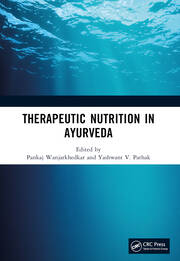
If you only need the buying answer, digital is the clear winner in the current snapshot. The 180-day eText is dramatically cheaper than print, and even the lifetime eText still stays below the sampled paperback, so print only makes sense if you strongly want a physical reference for long-term Ayurvedic nutrition or integrative work.
| Format | Seller | Current Price | Link |
|---|---|---|---|
| eTextbook 180 Days | VitalSource | $29.15 | Check price |
| eTextbook Lifetime | VitalSource | $52.99 | Check price |
| Paperback New | Merybook | $75.61 | Check price |
| Marketplace Print | eCampus | $92.99 | Check price |
This is not a close pricing case. Digital is not just a little cheaper. It is much cheaper, and even lifetime digital remains below the current paperback. That means the print route has to be justified by use preference and subject fit, not by price.
What this book actually teaches
Therapeutic Nutrition in Ayurveda sits at the intersection of dietary practice, therapeutic reasoning, and a distinct medical tradition. That makes it different from a general nutrition survey. Its value is strongest for readers who want to understand how nutritional decisions are interpreted inside Ayurvedic thinking or broader integrative-care frameworks rather than only through conventional biomedical categories.
Because it is a specialized interdisciplinary title, the right buyer matters more than usual. For someone working seriously in Ayurvedic nutrition or integrative practice, a physical reference may still be worthwhile. For readers who mainly need access to the content, digital is the much stronger economic answer in this snapshot.
Who should buy print and who should not
Go digital if you mainly need access to the material and want the strongest value route. Buy print only if you strongly prefer a physical reference and expect repeated long-term use in Ayurvedic nutrition or integrative-care contexts. In this market, digital wins clearly.