 Dr. Telly Kamelia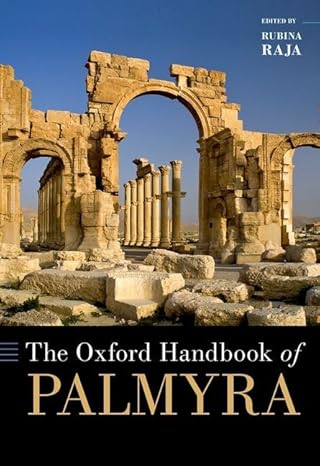
If you only need the buying answer, this is one of the easier hardback decisions in the archive. The current Merybook hardback listing is lower than the sampled 180-day eBook and far below the broader new-print market, so print is the stronger route if you want a lasting reference copy rather than temporary access.
Current price comparison
| Format / Seller | Price | Link |
|---|---|---|
| Hardback from Merybook | $85.86 | Check price |
| VitalSource eBook, 180 days | $107.99 | Check price |
| Barnes & Noble hardcover | $150.00 | Check price |
| VitalSource eBook, lifetime | $165.99 | Check price |
The market logic is unusually clean here. This is not a platform-dependent student package. It is a major scholarly handbook, and the current Merybook hardback is cheaper than both sampled digital options as well as the sampled new hardback market. That means the question is not whether print is an indulgence. The real question is whether you need the book long enough to justify ownership, and for a handbook of this scale, the answer is often yes.
What this book actually teaches
The Oxford Handbook of Palmyra is not a survey text built for quick consumption. It is a multi-author scholarly reference designed to bring together archaeology, history, art, religion, trade, politics, and historiography around Palmyra and its wider regional context. The real value of a handbook like this is that it gives the reader multiple scholarly entry points into the same site and period instead of forcing one single interpretive line.
That matters because Palmyra is not just an isolated ancient city to memorize. It sits at the intersection of Roman imperial history, Near Eastern exchange, material culture, epigraphy, urbanism, and the politics of cultural heritage. A serious reader returns to different chapters for different reasons: one month for archaeology, another for religion, another for trade, another for historiographical debate. That is the exact pattern of use that makes hardback ownership more meaningful than temporary consultation.
Who should buy hardback and who should not
Buy the hardback if you are doing graduate work, sustained reading, or research in archaeology, classics, ancient history, art history, or Near Eastern studies. This is the sort of book that earns its shelf space.
Skip hardback only if your need is genuinely temporary and highly specific. If you only need to consult a limited part of the volume once, timed eBook access may be enough. Otherwise, the current print listing is the stronger long-term value.
Sources checked
- Merybook product listing for ISBN 9780190858117
- VitalSource pricing snapshots for 180-day and lifetime eBook access
- Barnes & Noble hardback market snapshot
- Pricing reviewed on April 19, 2026