 Dr. Telly Kamelia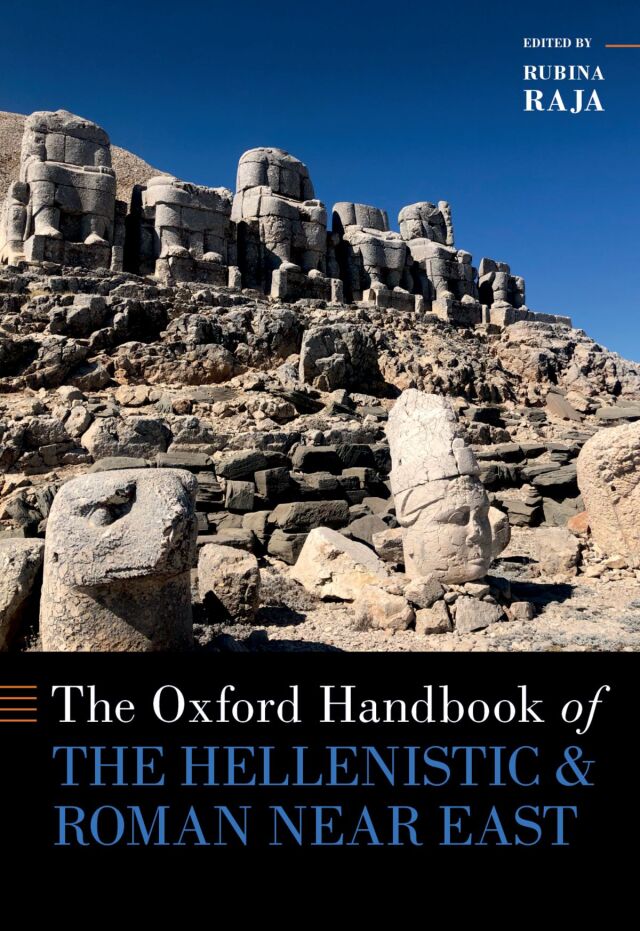
If you only need the buying answer: the current hardcover listing is not the lowest clean print option in this snapshot. A sampled used hardcover listing comes in lower, while the sampled new-hardcover comparator is higher. That means the honest decision is not simply whether to own the book, but whether you want the lower-cost used route or a cleaner new copy.
Current price comparison
| Format | Source | Price | Link |
|---|---|---|---|
| Hardcover | Merybook | $187.65 | Check price |
| Used hardcover | AbeBooks | $173.06 | Check price |
| New hardcover | Knetbooks | $239.62 | Check price |
What this book actually teaches
The Oxford Handbook of the Hellenistic and Roman Near East is a large scholarly reference about the region’s archaeology, history, political formations, material culture, and cross-cultural entanglements across the Hellenistic and Roman periods. The book matters because it helps readers move across regions, methods, and historiographies instead of treating the Near East as a simple appendix to Greek or Roman history.
This is precisely the kind of handbook that rewards selective return. A reader may use one chapter for a seminar on empire, another for regional archaeology, and another much later for dissertation framing or comparative historical work. In other words, it behaves like a long-term shelf reference rather than a one-pass assigned text.
What the pricing actually means
The key point here is not that ownership is a bad idea. It is that the current new-copy listing is not the bottom of the market. If you want the lowest clean print route, the sampled used hardcover is better. If you want a new copy and prefer avoiding condition uncertainty, the current listing is still meaningfully lower than the sampled new-hardcover comparator.
I would treat this as a two-path decision. Buy used if minimizing cost matters most. Buy the current new copy if you expect the handbook to stay in active research use and want a clean shelf copy. I would only skip ownership entirely if your need is narrow, temporary, and unlikely to extend beyond the current course or project.