 Dr. Telly Kamelia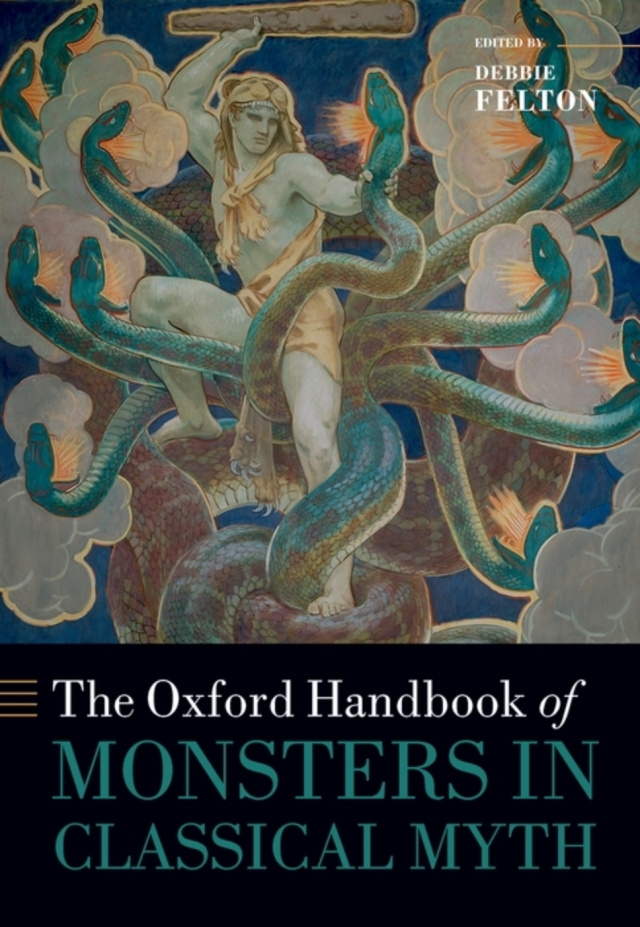
If you only need the buying answer: the rental and 180-day eTextbook options are the cheaper short-term routes in this snapshot. The current hardcover listing is still well below the sampled new-print comparator, but this is not a case where ownership wins automatically on price alone. The right decision depends on whether you need a temporary reading copy or a long-term research reference.
Current price comparison
| Format | Source | Price | Link |
|---|---|---|---|
| Hardcover | Merybook | $141.09 | Check price |
| Rental | Knetbooks | $107.71 | Check price |
| eTextbook (180 days) | VitalSource | $110.99 | Check price |
| New hardcover | eCampus | $186.58 | Check price |
What this book actually teaches
The Oxford Handbook of Monsters in Classical Myth is a research-oriented volume about how monstrous figures work across Greek and Roman myth, literature, visual culture, and broader ancient imagination. The book matters not because it offers a simple catalog of creatures, but because it helps readers think about symbolism, otherness, narrative function, and the cultural work that monsters do in classical sources.
That means it behaves like a real handbook. Readers often dip into specific chapters for seminar work, thesis writing, comparative reading, or topic-building rather than reading the volume once from beginning to end. Whether to rent or own therefore depends on whether this is a short-term course need or a longer-term research tool.
When the hardcover is worth paying for
The honest financial answer is that short-term access is cheaper here. If you only need this handbook for one assignment block or one seminar window, rental or a 180-day eTextbook makes more economic sense. The hardcover becomes easier to justify only when the book is likely to stay useful beyond the current term.
I would lean toward the hardcover for classicists, graduate researchers, and readers building a longer-term reference shelf in myth, reception, or ancient cultural studies. I would lean toward short-term access for course-bound use where the chapters are important now but unlikely to be revisited later.