 Dr. Telly Kamelia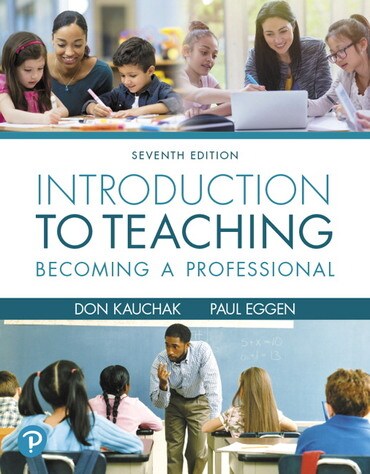
If you only need the buying answer
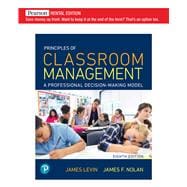
The current print listing at $86.74 is reasonable, but it is not automatically the right answer for every section. Pearson’s direct print price is a little lower at about $84.99, while sampled MyLab access sits around $99.99. That means the real question is not whether print is cheap enough. It is whether your course is centered on the standalone textbook or on Pearson’s digital layer. If your instructor does not require MyLab for graded work, a print copy is still a sound ownership buy for future teacher-prep use.
Current price comparison
| Source | Format | Price (USD) |
|---|---|---|
| Merybook | $86.74 | |
| Pearson | Rent | $84.99 |
| Pearson | MyLab Education | $99.99 |
What the current price means
This is not a dramatic bargain-print case, because Pearson’s own print route is slightly lower in the sampled market. But the current listing is still in a rational range for students who want a keepable copy. The decision turns on format logic more than on a tiny price gap. Teacher-education texts often gain value after the first course because students come back to them in methods classes, fieldwork, and student teaching. That long-tail usefulness can justify ownership if the course is not locked to MyLab.
Who should buy this book
Buy print if you want a reference you can annotate and keep through the rest of your teacher-preparation program. Do not treat the standalone print book as the full answer if your section uses MyLab Education for graded assignments, quizzes, or integrated coursework. In that case, platform access matters more than a small difference in book price.
What this book actually teaches
Introduction to Teaching: Becoming a Professional is a foundations text for students entering the profession. It is designed to introduce the work of teaching through the realities of classrooms, schools, learners, planning, professionalism, and the broader social role of educators. The practical value of the book is not just that it tells students how schools work. It helps them start thinking like teachers: how to interpret classroom situations, how to understand the responsibilities of the profession, and how to connect preparation coursework to actual school practice.
That is why ownership can still make sense even when a digital platform exists. Students often revisit this kind of text when they start methods classes or field experiences because they need a broad frame for what good teaching looks like before they narrow down into subject-specific techniques. If you want one book from early teacher education that still feels useful later, this is the kind of title that can justify print.