 Dr. Telly Kamelia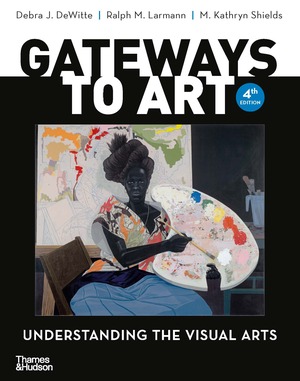
If you only need the buying answer
The current print listing at $73.84 is a rational buy for many Art Appreciation students, but only if your class does not grade work through Norton tools such as InQuizitive or the Illumine ebook layer. If your section is book-centered, print ownership makes sense because art books hold more value in physical form than many text-heavy survey books do. If the syllabus is platform-driven, then the cheapest visible print price is not the whole course cost.
Current price comparison
| Source | Format | Price (USD) |
|---|---|---|
| Merybook | $73.84 | |
| VitalSource | eTextbook | $68.29 |
| eCampus | Rental | $71.76 |
| Thames & Hudson / Norton | Bundle / Publisher route | $158.81 |
What the current price means
At this price, the standalone print copy is already competitive with short-term access routes. That matters because this is not a disposable reading-heavy textbook. Students use it to look closely at images, compare works across periods, and build visual-analysis habits that are easier to support on a page than on a temporary digital license. The equation changes only when the course is built around Norton assignments. In those sections, the book is part of a broader platform, and students need to think in terms of total course cost rather than just sticker price.
Who should buy this book
Buy print if your instructor mainly expects you to read, compare images, write about artworks, and bring the book back for future humanities coursework. Skip the print-only route if the syllabus clearly grades Norton platform activities or integrated digital coursework. That is where students accidentally buy twice: once for the cheap print copy and then again for the access layer they still need.
What this book actually teaches
Gateways to Art is not just an art-history timeline. It is built to teach beginners how to look at art, talk about art, and connect formal choices to meaning. The book moves through visual fundamentals, major media, historical periods, and broader themes, while repeatedly training students to read line, color, composition, symbolism, context, and cultural argument together instead of treating works as isolated museum objects.
That teaching goal is why print has real value here. Art-appreciation students are often asked to compare images across pages, return to details, and build vocabulary for visual analysis. A physical copy makes that kind of repeated, side-by-side looking easier than a temporary ebook in many real classrooms. This edition also matters because publisher materials point to updated contemporary-art coverage and a stronger bridge between historical material and current cultural questions, which makes it more than a routine cosmetic refresh.