 Dr. Telly Kamelia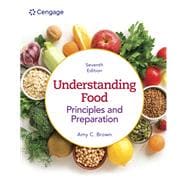
- Edition Fit: ISBN 9780357974148 matches the seventh edition of Understanding Food: Principles & Preparation.
- Best Short-Term Value: The 180-day eTextbook is still the cheaper route.
- Best Ownership Value: The current print listing is lower than the sampled new-print comparators and close enough to digital to stay reasonable for reuse.
- Lab / Kitchen Reuse: Print has a stronger case when you expect to keep using food-science explanations, preparation guidance, and safety principles after the course.
- Price Snapshot Date: April 15, 2026
If you only need the buying answer
If you only need this book for one term, the 180-day eTextbook at $63.99 is the cheaper path. If you expect to reuse the book in kitchens, labs, or later food-science work, the current print listing at $85.89 is still a fair ownership choice because it is below the sampled new-print comparators and not dramatically above the temporary digital price.
| Store | Format | Condition | Price | Link |
|---|---|---|---|---|
| Merybook | New | $85.89 | Check listing | |
| VitalSource | eTextbook | 180-day access | $63.99 | Check price |
| Bookstores.com | New | $95.24 | Check price | |
| Walmart | New | $100.48 | Check price |
This book earns its value when students have to connect food science to actual preparation. That is why the format question matters. A text like this is often used while comparing explanations of ingredients, reactions, techniques, and safety rules rather than only while reading for exams.
What this book actually teaches
Understanding Food: Principles & Preparation sits at the intersection of food science and application. It explains what ingredients do, why preparation methods work, how safety and sanitation matter, and how nutrition and technique connect. That makes it more reusable than a generic survey because its explanations stay relevant whenever a recipe or process needs to be understood instead of simply followed.
For students in culinary science, food service, nutrition, or dietetics-adjacent coursework, that repeat-use pattern gives print a stronger case than it would have in a book read once and shelved. The book becomes a reference for both concept and method.
When print is worth keeping
If you only need temporary access for one course, digital remains the cheaper route. If you expect to keep returning to food chemistry, preparation logic, or kitchen application, the print copy is easier to defend because the extra cost over digital is relatively modest compared with the reuse value.
Sources checked
- Cengage product page for Understanding Food: Principles & Preparation, 7th edition: cengage.com
- Current market pricing reviewed on April 15, 2026.