 Dr. Telly Kamelia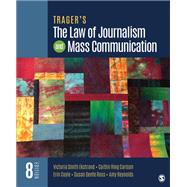
If you only need the buying answer: the current paperback is essentially tied with the sampled rental and is comfortably below the sampled digital option and far below the sampled used and new print comparators. That makes print one of the strongest routes in this snapshot for anyone who wants a keepable media-law text.
Current price comparison
| Format | Source | Price | Link |
|---|---|---|---|
| Paperback | Merybook | $75.54 | Check price |
| Semester rental | eCampus | $75.20 | Check price |
| Digital access (180 days) | eCampus | $108.00 | Check price |
| Paperback | eCampus | $150.40 | Check price |
What this book actually teaches
Trager’s The Law of Journalism and Mass Communication is a media-law text about constitutional principles, case reasoning, journalism doctrine, and policy debate in communication law. The book matters because it helps readers work through legal structure and case logic rather than only summarizing outcomes.
That makes it more reusable than many students expect. Media-law concepts often return in later journalism, communication, law-adjacent, and policy coursework, which gives a keepable print copy real value.
Why print is a strong route here
The current paperback is effectively on par with rental and clearly below the sampled digital and print comparators. That means you are not paying a significant premium to own the book. For a case- and doctrine-oriented text, that makes print especially attractive.
I would lean toward print for journalism, media, and law-adjacent students who expect to annotate and return to legal principles later. I would only favor rental if you know with confidence that this is a one-course use and you do not want to keep the book afterward.