 Dr. Telly Kamelia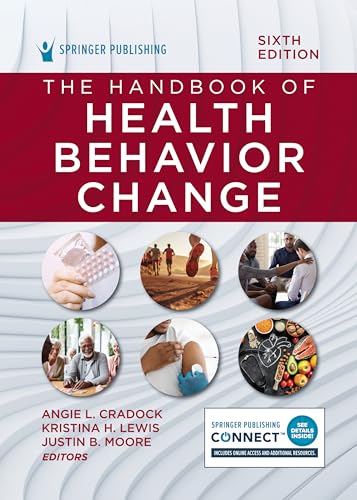
If you only need the buying answer, the current paperback and the 180-day eText are effectively in the same price band, with print actually a little lower in the current snapshot. That makes ownership easy to justify if you expect to revisit behavior-change models later, because you do not have to pay extra for permanence.
| Format | Seller | Current Price | Link |
|---|---|---|---|
| Paperback New | Merybook | $65.66 | Check price |
| eBook 180 Days | Springer Publishing VitalSource | $66.99 | Check price |
| eBook Continuous | Springer Publishing VitalSource | $98.99 | Check price |
| Paperback New | Springer Publishing | $111.00 | Check price |
The key point here is not that digital is bad. It is that the usual print premium is absent. When the paperback is already slightly cheaper than the short eText and far cheaper than the official paperback and continuous-access digital, ownership becomes much easier to justify for any reader who expects reuse.
What this book actually teaches
The Handbook of Health Behavior Change is valuable because it organizes intervention models, counseling approaches, and behavior-change frameworks that can be reused across prevention, adherence, coaching, and patient-engagement contexts. Handbooks are often most useful when readers come back to them under different course names and practical problems rather than consuming them once from front to back.
That repeat-use quality is the core ownership argument. If the book is likely to resurface in counseling, intervention planning, or health behavior work later, the current paperback is the stronger long-term value. If you only need a brief exposure, the eText is still reasonable, but it no longer has the obvious price advantage.
Who should buy print and who should not
Buy print if you expect to revisit intervention models and counseling frameworks beyond one course. Choose digital only if portability matters more than ownership, because in this market the paperback is already the cheaper route.