 Dr. Telly Kamelia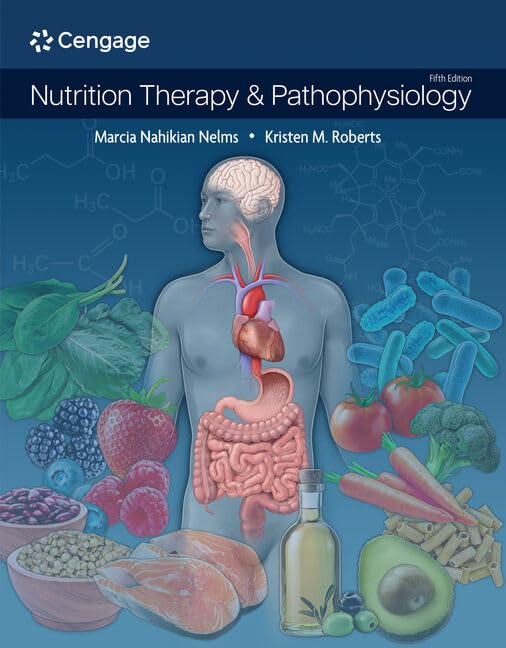
If you only need the buying answer, timed digital access is still the much cheaper route in the current snapshot. The current hardcover only makes sense if you strongly want a durable clinical nutrition reference and expect to revisit disease-state nutrition later in training.
| Format | Seller | Current Price | Link |
|---|---|---|---|
| Digital 180 Days | eCampus | $58.99 | Check price |
| eBook Access | Cengage | From $63.99 | Check price |
| Semester Rental | Knetbooks | $115.80 | Check price |
| Hardcover New | Merybook | $150.50 | Check price |
| Hardcover New | eCampus | $258.64 | Check price |
This is not a close price call. The temporary digital routes are dramatically cheaper than ownership. That means the burden is on print to justify itself through long-term use, not through bargain logic. If the course is mainly about getting through one nutrition-therapy requirement, digital is the stronger financial answer.
What this book actually teaches
Nutrition Therapy & Pathophysiology asks readers to think simultaneously about disease mechanisms, clinical judgment, and nutritional intervention. That makes it denser and more clinically reusable than a simple nutrition survey. Students in dietetics, nursing, and allied health often come back to this kind of text later when disease-state nutrition starts to matter in a more practical way.
That is the only serious ownership argument in the current market. If you know you want a durable clinical reference for later case review or exam preparation, print can still make sense. If you mainly need access to the content for one term, the timed digital paths are much better value.
Who should buy print and who should not
Go digital if you only need short-term access or are trying to minimize cost. Buy print only if you strongly prefer a physical reference and expect to keep using therapeutic nutrition and pathophysiology later. In this snapshot, print is a long-horizon choice, not a low-cost one.