 Dr. Telly Kamelia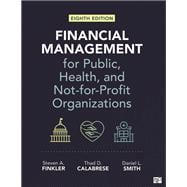
If you only need the buying answer: the current paperback listing is the strongest route in this snapshot. It is lower than the sampled 180-day digital option, lower than rental, and far below the sampled used-print comparator. For a finance text with real later-course value, print wins clearly here.
Current price comparison
| Format | Source | Price | Link |
|---|---|---|---|
| Paperback | Merybook | $112.61 | Check price |
| Digital access (180 days) | eCampus | $129.60 | Check price |
| Semester rental | eCampus | $165.63 | Check price |
| Digital access (1825 days) | eCampus | $188.40 | Check price |
What this book actually teaches
Financial Management for Public, Health, and Not-for-Profit Organizations is a finance and administration text about budgeting, fiscal analysis, resource allocation, and decision-making in public and mission-driven institutions. The book matters because it helps readers adapt finance thinking to organizational settings that do not behave like ordinary for-profit businesses.
That gives it longer-term value for students in public administration, health administration, and nonprofit management. The concepts in this kind of book often reappear in later coursework and professional roles rather than disappearing after one exam period.
Why print is the strongest route here
The pricing here already favors ownership. The current paperback undercuts every clean comparator sampled, including the short-term digital route. That means you are not paying extra to keep a copy you may need later.
I would lean strongly toward print for readers in public, health, and nonprofit administration who expect to revisit finance frameworks in later courses or work. The only real case against ownership would be dependable access elsewhere and no need to return to the material.