 Dr. Telly Kamelia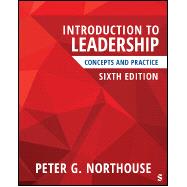
- Cheapest route: The observed quarter rental at $31.58 is by far the lowest-cost option in this snapshot.
- Other low-cost alternatives: The observed marketplace copy at $74.80 and the observed 180-day digital access at $80.40 both sit below the sampled new paperback price of $84.99.
- Decision hinge: A new print copy only makes sense if you specifically want a clean personal copy for repeated reflection, exercises, and later leadership reference. For most short-term course needs, rental is the stronger value.
- Price snapshot date: April 9, 2026.
Introduction to Leadership: Concepts and Practice is the sort of book that can feel personally useful even when it is academically introductory. Leadership texts often combine models, exercises, and reflection prompts, which means some readers do want to keep them. But price still matters, and in this snapshot the value case for a new print copy is weak. There are multiple cheaper ways to access the material.
Price comparison
| Store | Format | Condition | Price | Link |
|---|---|---|---|---|
| Merybook | Paperback | New | $84.99 | Check listing |
| eCampus | Marketplace | Marketplace | $74.80 | Search marketplace |
| eCampus | Rental | Quarter rental | $31.58 | Search rental |
| eCampus | Digital | 180-day access | $80.40 | Search eTextbook |
What the current pricing means
This is not a strong new-print case. Rental is dramatically cheaper than every other route, and both the marketplace copy and digital access also come in below the sampled new paperback. That means a reader choosing the new print copy is paying a real premium, not merely a trivial difference.
That premium may still be worthwhile for a reader who wants a personal copy to annotate and revisit. But for most ordinary course use, the market is signaling that there are better-value ways to access the same material.
What this book actually teaches
The title frames the book as an introduction to leadership through concepts and practice, which usually means a blend of models, exercises, self-reflection, and applied interpretation rather than pure theory. That gives the book a different kind of value from a narrow technical text. It is often most useful when the reader wants to connect leadership concepts to personal or workplace experience.
That also explains why some readers may still want to keep it. If the exercises, examples, and frameworks are likely to be revisited later, a personal copy can have real value. But that value is more reflective and developmental than technically indispensable, which is why price sensitivity matters more here.
Who should own it, and who should rent it
The strongest case for a personal copy belongs to readers who expect to keep using the book’s exercises and frameworks beyond the course. For them, ownership may still be worth the premium, especially if they prefer making the book part of their longer-term professional library.
The stronger budget choice for most course-only readers is rental. It is so much cheaper in this snapshot that it becomes the default recommendation unless the reader has a real reason to keep the book.