 Dr. Telly Kamelia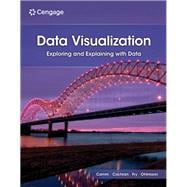
- Edition Fit: ISBN 9780357929766 matches the second-edition paperback of Data Visualization: Exploring and Explaining with Data.
- Best Short-Term Value: The 180-day eText is still the cheapest clean option in this snapshot.
- Best Ownership Value: The current paperback listing beats the observed used copy and sits far below the other new-print comparators.
- Courseware Check: Confirm whether your class uses MindTap or other digital assignments before assuming print alone covers the course.
- Price Snapshot Date: April 14, 2026
If you only need the buying answer
If you only need this book for one term, the 180-day digital option at $68.99 is the lower-cost route. If you expect to reuse visualization principles in analytics, dashboard work, or data storytelling beyond the course, the current paperback listing at $80.99 is the better ownership value because it is cheaper than the observed used copy and far below the other sampled new-print prices.
| Store | Format | Condition | Price | Link |
|---|---|---|---|---|
| Merybook | Paperback | New | $80.99 | Check listing |
| eCampus | Digital | 180-day access | $68.99 | Check price |
| Bookstores.com | Paperback | Used, Like New | $97.46 | Check price |
| eCampus | Paperback | New | $322.32 | Check price |
The pricing here says something useful. The digital license is cheaper if all you need is one semester of access. The paperback becomes attractive when you want a book you can keep near a desk and revisit during later work with chart choice, dashboard critique, or data storytelling. The current paperback listing is especially notable because it undercuts the observed used copy instead of merely beating official new-book prices.
What this book actually teaches
Cengage describes this title as a practical guide to effective design, chart selection, color use, visual exploration, and visual explanation. That matters because good visualization teaching is not only about making attractive charts. It is about choosing the right visual form for the analytical question, seeing when a display misleads, and learning how to explain results to an audience that may not share the analyst’s background.
The second edition also adds an appendix on data wrangling. That is a strong signal that the book is trying to bridge design and workflow rather than treating visualization as decoration added at the end of an analysis. In teaching terms, that makes it more reusable than a one-term presentation manual. It can support coursework in business analytics, operations, and communication because it connects visual choices to reasoning, audience, and data preparation.
When print is worth keeping
The paperback makes the most sense for readers who expect to reuse visualization principles after the course ends. That includes students who will keep building dashboards, revising reports, defending design choices in meetings, or teaching themselves how to make analytical results clearer and more persuasive. A physical copy is useful for comparing examples, marking design rules, and returning to recurring mistakes over time.
If your course is tightly tied to digital assignments or you simply need access long enough to finish one class, the 180-day eText remains the more economical choice. As with many Cengage titles, the real decision depends on whether the book is serving a short-term access need or a longer-term methods need.
Sources checked
- Cengage product page for Data Visualization: Exploring and Explaining with Data, 2nd edition: cengage.com
- VitalSource listing for the digital ISBN and format mapping: vitalsource.com
- Current marketplace and format pricing reviewed on April 14, 2026.