 Dr. Telly Kamelia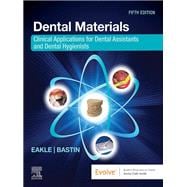
If you only need the buying answer, quarter and semester rental are the cheapest routes in the current snapshot. The paperback still has a real case because it is only modestly above rental while staying far below other ownership comparators, which makes print a sensible choice if you will revisit materials science during dental assisting, hygiene, or laboratory training.
| Format | Seller | Current Price | Link |
|---|---|---|---|
| Quarter Rental | eCampus | $51.53 | Check price |
| Semester Rental | eCampus | $56.95 | Check price |
| Paperback | Merybook | $62.04 | Check price |
| Marketplace | eCampus | $94.72 | Check price |
| eBook (1825 Days) | eCampus | $95.99 | Check price |
| Print New | eCampus | $100.81 | Check price |
This is a more balanced decision than a simple “print wins” case. If your only goal is to finish one term at the lowest possible price, rental is hard to beat. But once the print copy is only a few dollars above the rental options and dramatically below the other long-horizon ownership routes, the paperback starts to look like the smarter educational purchase for students who expect the subject to return in labs, clinics, or later coursework.
What this book actually teaches
Dental Materials introduces students to the science and clinical handling of materials used in dental practice. That usually includes impression materials, cements, restorative materials, ceramics, polymers, metals, bonding systems, and the physical properties that determine how those materials behave under real conditions. In teaching terms, this is not just memorization. Students are expected to connect composition and properties to indications, manipulation, performance, and patient outcomes.
That is exactly why the ownership question is legitimate here. A materials text often keeps some value after the exam because students may need to revisit handling characteristics, comparison logic, or chairside implications during skills labs and early clinical work. If this is your only exposure and cost is the entire priority, rent it. If you expect to reopen it later, the current paperback price is easier to defend than usual.
Who should buy print and who should not
Rent the book if this is only a short course and you are trying to minimize immediate cost. Buy the paperback if you are in a program where materials knowledge will keep showing up in lab practice, restorative technique, or clinical discussion. The current price difference is small enough that keeping the book becomes a rational choice rather than an indulgence.