 Dr. Telly Kamelia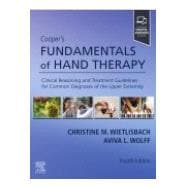
Clinical rehabilitation books often earn their value slowly. At first they can look like expensive course materials. Later they become the books students reopen when anatomy, function, splinting, assessment, and intervention start to matter in actual clinical reasoning. For ISBN 9780443110696, the right buying question is whether you need the cheapest short-term access or a hand-therapy book worth keeping.
If you only need the buying answer
The cheapest route in this snapshot is quarter rental at about $65.78. If you only need temporary access, rental wins. But the current print listing at $95.95 is still below the sampled new market at $123.10 and far below long-term digital access at about $118.79. That makes this another split case: rental is best for a short course window, while print is the stronger ownership option if you expect to revisit hand therapy later in clinical training.
Price comparison
| Store | Format | Condition | Price | Link |
|---|---|---|---|---|
| Merybook | Paperback | New | $95.95 | Check price |
| eCampus | Quarter rental | Rental | $65.78 | Check rental option |
| eCampus | Semester rental | Rental | $72.70 | Check rental option |
| Elsevier eBook | Digital | Long-term access | $118.79 | Check digital option |
| eCampus | Paperback | New | $123.10 | Check new market |
What this price means in practice
This is the sort of medical-rehab book where rental makes sense only if you are certain the material ends with the course. In practice, that is often not true. Hand therapy knowledge tends to return in fieldwork, clinic, and later orthopedic or upper-extremity settings. That is why the print route stays interesting even though rental is cheaper upfront.
I would not recommend long-term digital over print here unless you strongly prefer electronic reading, because the price gap is small and print is actually cheaper in this snapshot.
What this book actually teaches
Cooper’s Fundamentals of Hand Therapy is valuable because it brings anatomy, assessment, biomechanics, tissue healing, and intervention planning into one clinical frame. This is not the kind of text students read once and forget. It is the kind they reopen when a diagnosis, orthosis, or treatment progression suddenly needs clearer structure.
That makes print more defensible than it first appears. A rehabilitation book with diagrams, treatment logic, and clinical sequencing is usually more useful when you can tab sections, write in margins, and come back quickly during study or clinic prep.
Who should rent, and who should buy print
Rent if this is a short course requirement and budget is the only priority.
Buy print if you are moving toward occupational therapy, rehabilitation, hand therapy, or upper-extremity clinical work and expect to revisit the material. In that case, the current print listing is the better long-term decision.
Sources checked
Sources checked: Merybook listing search for ISBN 9780443110696, eCampus new and rental pricing, and long-term eBook pricing. Pricing reviewed April 19, 2026.