 Dr. Telly Kamelia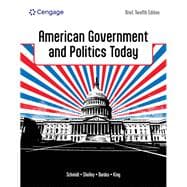
If you only need the buying answer, the 180-day digital option is the cheapest route in the current snapshot. The paperback still deserves a look because it is priced very close to semester rental and below the 365-day digital option, so print only becomes the better decision when you expect to reuse the book for later government, civics, or public-policy coursework.
| Format | Seller | Current Price | Link |
|---|---|---|---|
| Digital 180 Days | eCampus | $54.99 | Check price |
| Paperback | Merybook | $78.44 | Check price |
| Semester Rental | eCampus | $79.14 | Check price |
| Digital 365 Days | eCampus | $80.99 | Check price |
| Paperback | eCampus | $115.37 | Check price |
What the pricing means is fairly straightforward. If this book is only serving one semester of introductory government, the 180-day digital option is the cleanest way to cut cost. The paperback becomes more interesting when you notice how tightly it sits against semester rental. Once print and rental are almost tied, the decision stops being about the lowest possible bill and starts being about whether the book has any reuse value after the course ends.
What this book actually teaches
American Government and Politics Today, Brief is built to give students a compact but functional map of how U.S. government operates. That usually means constitutional foundations, federalism, Congress, the presidency, the courts, civil liberties and civil rights, elections, parties, interest groups, public opinion, and policy making. In the classroom, the value of a brief edition is not deep archival history. It is that students can move quickly between institutional structure and current political behavior without carrying a longer survey text that many of them will only half use.
From a teaching standpoint, a book like this matters most when students are learning how to connect abstract institutional design to concrete political outcomes. That is why short-lived digital access is often enough for one introductory course. The print copy becomes more defensible if the student is likely to return to constitutional structure, political participation, or policy debates in later coursework, teacher preparation, or civic education work.
Who should buy print and who should not
Buy the paperback if you expect this book to remain useful beyond one term. That includes students moving into political science, public administration, civics teaching, law-related study, or anyone who knows they retain material better with a physical text they can mark up. Skip ownership if the course is a one-off general education requirement and you only need enough access to read, annotate lightly, and finish exams on schedule. In that case, the 180-day digital route is the cleaner financial answer.