 Dr. Telly Kamelia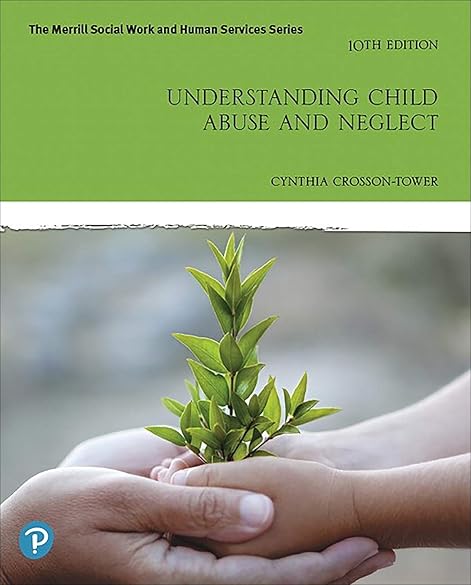
If you only need the buying answer, the 180-day eText is the cheapest clean route in the current snapshot. The current print listing sits very close to Pearson print, eText, and rental, so this is not a market where one route clearly crushes the others. The better choice depends on whether you want durable ownership for later child-welfare and helping-professions work.
| Format | Seller | Current Price | Link |
|---|---|---|---|
| eText 180 Days | VitalSource | $59.99 | Check price |
| Print New | Pearson | $84.99 | Check price |
| Print-path Listing | Merybook | $89.69 | Check price |
| Print Rental 120 Days | Stanza Textbooks | $92.94 | Check price |
This is a tight market. The current print listing is not dramatically worse than the other ownership and rental paths, but it is also not the obvious bargain. That means the real decision is format preference and future use. If you only want the lowest short-term cost, the eText wins. If you want a print copy you can annotate and revisit later, the difference between the print paths is modest enough that ownership still has a case.
What this book actually teaches
Understanding Child Abuse and Neglect is not just a content-heavy reading book. It helps readers think through signs of harm, institutional intervention, maltreatment frameworks, and the way systems respond to families under stress. In social work, counseling, education, and child-welfare training, that kind of material often returns later when case interpretation and professional responsibility feel more real.
That is why print can still make sense even when digital is cheaper. Difficult child-welfare material often rewards slower reading, annotation, and return visits. But because the market is relatively tight here, the choice should be made on study style and expected reuse rather than on the illusion of a huge price gap.
Who should buy print and who should not
Go digital if you only want the lowest short-term cost. Buy print if you expect to revisit child welfare, maltreatment, or helping-professions frameworks later and want a format that supports careful annotation. In this market, the decision is about format and future use more than about a dramatic price difference.