 Dr. Telly Kamelia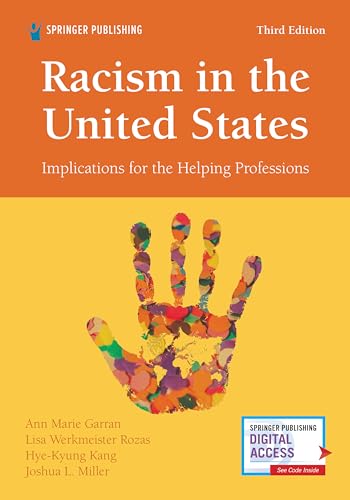
If you only need the buying answer, the current paperback is the strongest verified route in the current snapshot. It is below both digital options and far below the official paperback price, which makes ownership unusually easy to justify for a helping-professions text that is likely to keep mattering in practice and fieldwork.
| Format | Seller | Current Price | Link |
|---|---|---|---|
| Paperback New | Merybook | $58.50 | Check price |
| eTextbook 180 Days | VitalSource | $66.99 | Check price |
| eTextbook Continuous | VitalSource | $98.99 | Check price |
| Paperback New | Springer Publishing | $111.00 | Check price |
This is a strong ownership case because permanence is actually cheaper. When the paperback undercuts both digital options and official print, the usual argument that print is only for people willing to pay extra disappears. That matters because books like this often become more important as students move into applied practice rather than less.
What this book actually teaches
Racism in the United States: Implications for the Helping Professions connects historical and structural analysis to professional practice. Its value lies in helping readers think about institutional dynamics, bias, responsibility, and the way racism shapes helping relationships and systems. That kind of material often gains practical relevance later in fieldwork, reflection, supervision, and professional decision making.
Because the ideas become more concrete rather than less, the book has more afterlife than an introductory topical reader. In the current market, the paperback is both the cheapest verified option and the format most likely to support annotation, reflection, and repeated return.
Who should buy print and who should not
Buy print if you expect this material to matter in later helping-professions coursework, fieldwork, or practice. There is very little reason to prefer short-term digital access on price in this snapshot unless portability is your only priority.