 Dr. Telly Kamelia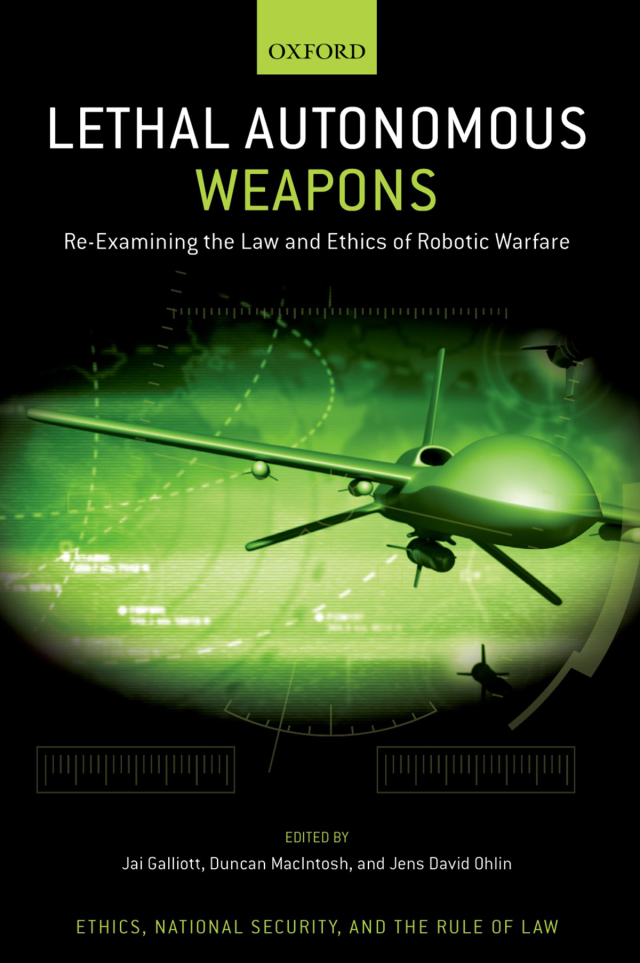
If you only need the buying answer: the 180-day eTextbook is the lowest clean short-term route in this snapshot, but the current hardcover listing is still priced well below the sampled rental and well below the sampled new-hardcover comparator. That makes this a real time-horizon decision rather than a simple ?print is too expensive? case.
Current price comparison
| Format | Source | Price | Link |
|---|---|---|---|
| Hardcover | Merybook | $88.94 | Check price |
| eTextbook (180 days) | VitalSource | $81.99 | Check price |
| Quarter rental | Knetbooks | $112.86 | Check price |
| New hardcover | Knetbooks | $159.04 | Check price |
What this book actually teaches
Lethal Autonomous Weapons: Re-Examining the Law and Ethics of Robotic Warfare is a specialist legal and moral analysis of autonomy, accountability, targeting, human control, and the changing structure of warfare. Its value is not in repeating the headline debate. It matters because it forces the reader to work through hard questions in international humanitarian law, technology governance, and military ethics with more precision than policy commentary usually allows.
That gives the book more shelf life than a one-semester reading packet. Readers in security studies, law, military ethics, and technology policy often come back to this debate as the law evolves and as real-world systems change. The educational use pattern is repeated consultation, not one fast read.
When the hardcover is worth paying for
If your goal is the lowest short-term spend, the eTextbook wins honestly. But the gap is not large, and the hardcover already undercuts the sampled rental while sitting far below the sampled new-hardcover comparator. That makes ownership more defensible than it first appears, especially for readers who know this debate will keep returning in their work.
I would lean toward digital only for a tightly bounded seminar window. I would lean toward the hardcover for researchers, policy readers, and legal scholars who expect to revisit autonomous weapons arguments over time and want a keepable reference instead of expiring access.