 Dr. Telly Kamelia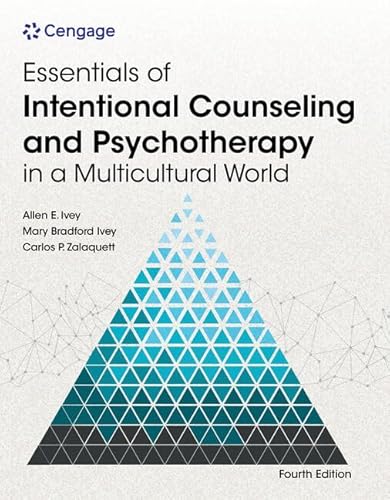
If you only need the buying answer
If your goal is the lowest short-term cost, the sampled rental at $55.99 is still the cheapest route. But if you want a copy to keep, the current print listing at $89.93 is a strong ownership price because it comes in below the sampled MindTap access price and far below the sampled new-book market. That makes this a split decision: rental wins for one-course use, while print wins for students who want a lasting counseling-skills reference and do not need to pay extra for platform access.
Current price comparison
| Source | Format | Price (USD) |
|---|---|---|
| Merybook | $89.93 | |
| Chegg | Rental | $55.99 |
| Cengage | MindTap | $95.00 |
| Amazon | $141.99 |
What the current price means
This is exactly the kind of counseling text where the cheapest short-term path is not automatically the best long-term choice. Yes, rental is cheaper if you only need to get through the semester. But the current print price is already below the sampled MindTap term-access cost and dramatically below the sampled new-print market. That changes the calculation, because once print is this close to temporary-access pricing, ownership becomes easier to justify for students who expect to revisit interviewing skills and counseling interventions later.
Who should buy this book
Choose rental if this is purely a one-course requirement and your instructor does not ask you to keep the book for later skills practice. Choose print if you are in counselor education, school counseling, or a helping-professions track where you will still want a microskills reference during role-plays, practicum, or early clinical training. If the course is explicitly tied to MindTap assignments, then raw print price is not the whole decision and the platform requirement should come first.
What this book actually teaches
Essentials of Intentional Counseling and Psychotherapy in a Multicultural World is a counseling-skills text, not just a general overview of psychotherapy theories. Its practical value comes from teaching how to listen, interview, respond intentionally, and adapt interventions to clients from different cultural backgrounds and life situations. That includes microskills, the therapeutic relationship, decision-making about intervention choices, and the habit of matching counseling responses to the person in front of you instead of relying on a rigid one-size-fits-all script.
That kind of book tends to hold value beyond one semester because students return to it when they need a concrete reminder of how to conduct an interview, structure a helping conversation, or think through multicultural responsiveness in practice. In other words, this is one of the stronger cases for keeping a counseling-skills text if the ownership price is not wildly inflated. Here, it is not.